
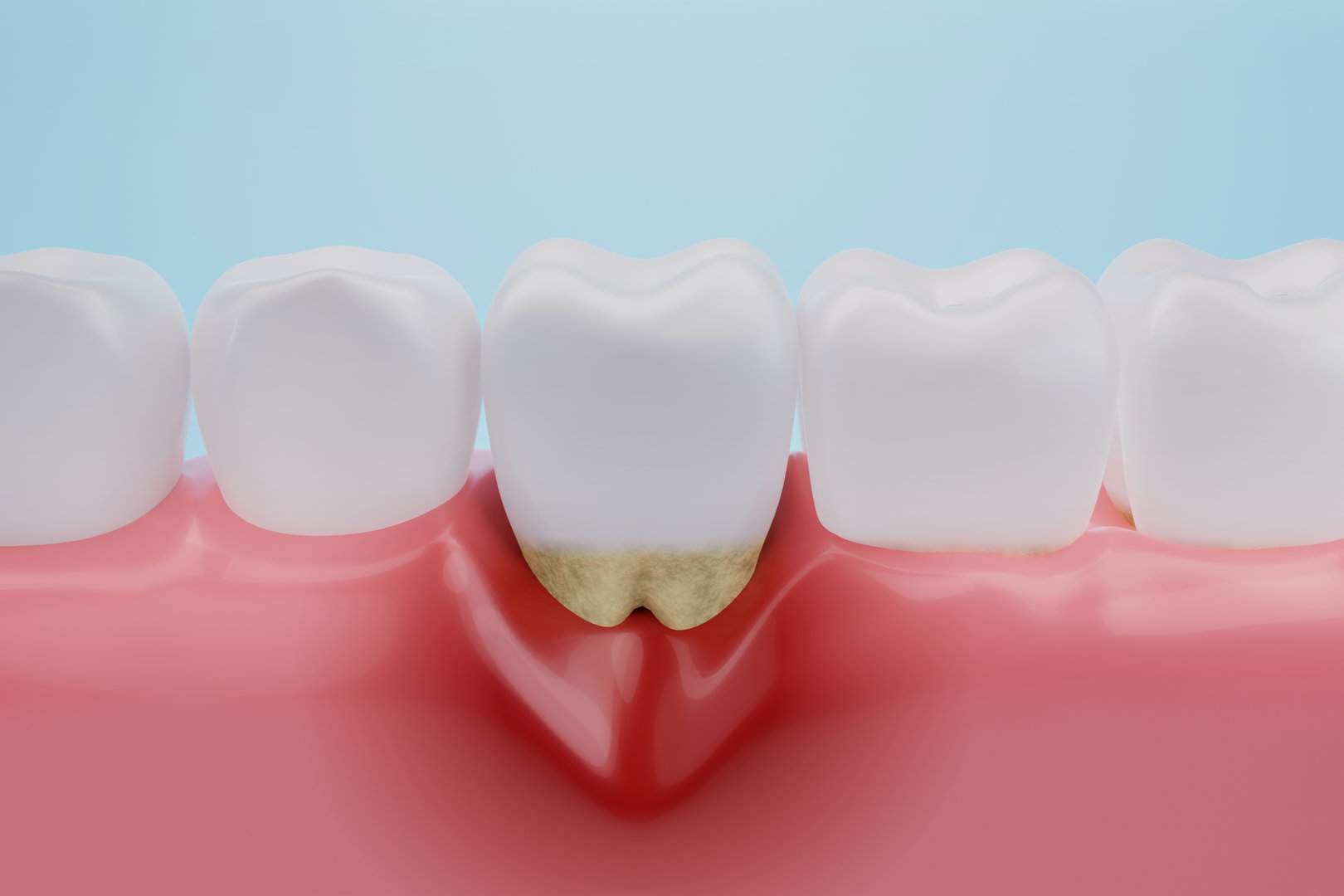
What Treatments Do Periodontists Provide in El Paso, TX?
Periodontists are highly trained dental professionals who focus on gum health, bone support, and the treatment of advanced periodontal conditions. Their work is crucial when inflammation, infection, or damage beneath the gumline threatens long-term oral health. While a general dentist might refer you for more complex issues, seeing a periodontist doesn’t mean your case is hopeless. What it means is that you’re in expert hands with someone who can guide you toward healing and restoration.
The range of periodontal treatments is both broad and specialized, offering care that targets the root causes of gum disease and tooth loss. This type of care also improves the appearance and function of your smile.
Treating Gum Disease with Precision
Periodontists begin with conservative options whenever possible. Non-surgical treatments aim to halt gum disease and give your mouth a chance to heal before more invasive steps are needed.
- Scaling and root planing. A detailed cleaning below the gumline removes plaque and bacteria from deep pockets.
- Local antibiotics. Targeted medications help reduce infection directly at the source.
- Laser-assisted therapy. Some periodontists use lasers for gentler, more precise removal of diseased tissue.
- Ongoing monitoring. Maintenance appointments help ensure that progress continues and the disease doesn’t return.
These initial steps are often enough to restore health when gum and bone issues are caught early and when regular follow-up visits are maintained.
Surgical Support for Advanced Cases
When gum disease progresses too far, surgery may be necessary to access infected areas or rebuild lost support structures. These procedures are carefully planned and executed to provide the best long-term outcomes.
- Flap surgery. The gums are gently lifted to clean deep infection and then repositioned for better healing.
- Gum grafts. Tissue from another area is used to cover exposed roots and reduce sensitivity.
- Bone grafts. These grafts help replace bone destroyed by infection and provide a stable foundation for teeth or implants.
- Guided tissue regeneration. This technique uses membranes to help the body naturally rebuild gum or bone tissue.
Surgical care with a periodontist is not just about fixing damage—it’s about setting the stage for a healthier future.
Dental Implant Expertise
Periodontists are often the specialists who place and manage dental implants. Their knowledge of bone structure and gum health makes them ideal for creating long-lasting, comfortable results.
- Implant surgery. Titanium posts are placed in the jawbone to serve as strong anchors for replacement teeth.
- Bone augmentation. When the jaw lacks sufficient bone, grafting helps strengthen the area.
- Gum shaping. After implant placement, gum contouring ensures a natural-looking result.
Implants placed by a periodontist are designed to last with proper care and monitoring.
Cosmetic and Functional Gum Procedures
In addition to health-focused treatments, periodontists also provide procedures that improve the appearance of the smile and help maintain balance in the mouth.
- Gummy smile correction. Excess gum tissue is removed for a more proportionate look.
- Recession coverage. Grafts restore a natural gumline and protect exposed roots.
- Smile reshaping. Small adjustments to the gums can have a big impact on how confident you feel.
Even small cosmetic improvements can make a big difference in your comfort, appearance, and self-esteem.
Taking Steps Toward Health and Confidence
A periodontist can provide the clarity and care needed when gum issues begin to affect your well-being. Whether you’re noticing early signs of gum trouble or dealing with missing teeth, getting expert support can protect your health and improve your quality of life.
This type of specialist combines advanced technology, surgical expertise, and a compassionate approach to help you make the best decisions for your mouth and smile. If you’re unsure what kind of care you need, a consultation with a periodontist is a smart, supportive first step.
